Dive Into Turquoise: Wild Circuits of the Outer Hebrides
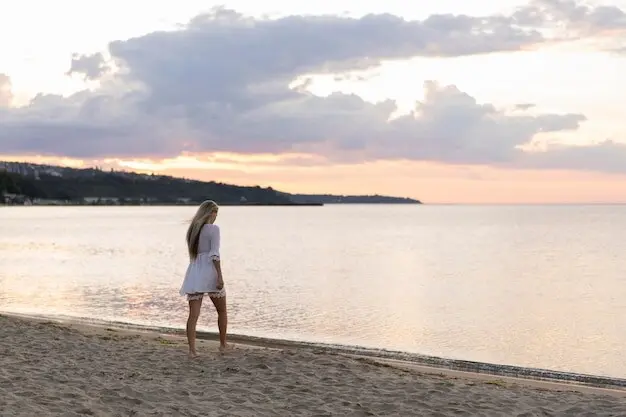
Today we venture into wild swimming circuits in the turquoise coves of the Outer Hebrides, tracing luminous shorelines where shell-sand shallows glow like liquid light. Expect tidal planning, respectful wildlife encounters, Gaelic coastlines, and practical, encouraging guidance for linking coves into memorable loops. Pack a bright cap, a tow float, and curiosity. Share your experiences, ask questions, and subscribe for fresh route ideas shaped by changing winds, generous communities, and the endlessly surprising North Atlantic.

Reading Water, Weather, and Tides

These islands reward swimmers who read the sea as carefully as a cherished map. Turquoise clarity often appears where shell sand and sunshine meet, yet the Atlantic’s pulse still sets the tempo. Learn to choose leeward shores, work with slack water, and anticipate wind shifts. Build flexible plans with short bailout options, visible shoreline markers, and realistic time windows. Confidence grows when observation guides ambition, letting every circuit feel adventurous yet calm, purposeful yet delightfully spontaneous.

Tide Windows That Turn Coves Into Lazy Lagoons

Slack periods around high or low tide can transform lively passages into forgiving pools, though local quirks matter. Study charts and verified tables, then confirm behavior on the beach before committing. Gentle flooding may help longer traverses, while ebb can quicken exits. Notice channels between islets and sandbars that subtly funnel flow. Ask locals about peculiar surges after storms. Let patience replace hurry; waiting thirty minutes often improves safety, scenery, and the sweet simplicity of your line.

Wind, Swell, and the Art of Choosing Leeward Shores

A moderate breeze from the southwest can whip one bay while leaving a neighboring cove glassy and welcoming. Compare forecast models, then walk or drive the coastline to ground-truth conditions. Favor headlands that shelter water from prevailing winds, and look for kelp fronds pointing with the current. Small wind waves can challenge breathing patterns, so angle your route to keep chop manageable. When in doubt, shorten loops, hug the contour, and let comfort dictate distance rather than pride.

Mapping Circuits With Safe Entries, Exits, and Shore Support

Before you swim, identify gentle sandy entry points, plus backup exits beyond rocky shelves. Plan arcs that connect obvious landmarks—white sand tongues, distinctive cliffs, or a light-topped promontory—so sighting remains simple in varying light. Share a route card with shore support, noting start times and maximum durations. Trace conservative options onto a waterproof map. Aim for loops that finish near a warm layer, thermos, and shelter. Good circuits feel like stories with multiple happy endings already penciled in.

Acclimatise With Grace: Breathing, Immersion, and Micro-Goals

Begin with slow exhales at the shoreline, letting the gasp reflex settle before submerging shoulders. Commit to tiny milestones—fifty strokes, a pause, then another view-filled stretch. Notice warmth building across working muscles, not chasing it impatiently. End while still comfortable, associating the place with pleasure instead of strain. Journaling post-swim impressions reinforces self-knowledge: what temperature felt steady, which foods and timings helped. Over weeks, small, well-chosen exposures knit together into lasting resilience that travels confidently between islands.

Smart Kit for Islands That Change Their Mind Every Hour
A bright cap, whistle, and tow float enhance visibility and communication, especially near headlands or passing craft. Consider layered neoprene—hood, gloves, and booties—so you can add or subtract in minutes as weather pivots. Bring a compact windproof changing robe, hot drink, and easy calories for rapid rewarming. Waterproof your phone, attach an ID tag, and carry a small first-aid pouch. Batteries, zips, and seams prefer freshwater rinses and patient drying—care becomes part of the ritual.

Luskentyre–Seilebost Arc, Harris

An elegant crescent linking sandbars and teal shallows, often magical near high water when channels soften. Begin at Luskentyre’s broad sweep, sighting the dune line toward Seilebost. Aim for 1.5 to 2.5 kilometers depending on conditions, with multiple sandy exits. Expect gentle over-sand currents, sudden depth changes, and occasional playful seals at respectful distance. On clear days, mountains watch your stroke like quiet guardians. Pause midway to float, listen, and let turquoise silence refill every intention with kindness.

Vatersay Twin-Bay Figure Eight, Barra

Two facing beaches separated by a narrow isthmus create a delightful figure-eight when winds contrast. Swim a sheltered loop on the lee side, walk the isthmus, then mirror the circuit. Distances range from 800 meters to 2 kilometers per side. Monitor swell wrapping around headlands and stay prudent near rocks. Colors shift theatrically under moving cloud, while machair fragrances drift from the dunes. End with hot tea by the machair, grateful for a choreography only islands could compose.

Hushinish Kelp Ribbon, North Harris

Trace the shoreline where bronze kelp gardens sway beneath glassy turquoise, weaving from the sandy launch toward rocky nooks and a quiet pier. Keep strokes high to clear fronds, admiring sea urchins and darting pollock below. Plan approximately 1.2 to 2 kilometers with bailout spots every few hundred meters. Watch for otters at dawn, and give space to nesting birds on nearby skerries. The return leg feels meditative, your bubbles stitching a soft seam through living silk.

Wildlife, Water Clarity, and Respectful Encounters

Turquoise waters invite wonder, yet wonder deepens when guided by care. Maintain generous distances from seals and seabirds, moving predictably and avoiding haul-out sites, especially during pupping or nesting. Lion’s mane jellyfish appear seasonally; learn to identify tentacles and carry neutralizing rinse for peace of mind. Kelp forests cradle nurseries; fin gently above them. Remember dunes and machair are delicate tapestries woven by wind and time—tread lightly, close gates thoughtfully, and leave only tidemarks dissolving behind you.

Grey Seals Are Curious Neighbors, Not Playmates

Curiosity often draws seals to observe from a distance, surfacing like polished stones. Avoid direct approaches, never block escape routes, and steer clear of haul-outs. If interest increases, pause calmly and allow space to grow. Group calmly, reduce splash, and turn sideways to appear smaller. Their wildness is the gift; honoring it preserves trust for future swimmers. Telephoto lenses, not proximity, create the finest memories, while your quiet, steady course keeps the cove’s conversation gentle and respectful.

Jellyfish Seasons and the Gift of Situational Awareness

Warmer months sometimes invite drifts of moon jellies and occasional lion’s manes. Scan from shore, then again after a few minutes in the water as light angles change. A slow, deliberate stroke helps you redirect without panic. Consider a light rash vest or modest neoprene coverage during peaks. Carry vinegar or safe rinse for skin comfort, and keep fingertips relaxed rather than clawed. Awareness turns surprises into small adjustments, preserving calm, curiosity, and those long, lyric glides between shining sandbars.

Machair, Dunes, and the Quiet Joy of Treading Lightly

The bright blues owe much to shell-derived sands, held in place by precious dune systems and machair meadows. Stay on established paths, avoid fragile edges, and keep dogs controlled during nesting. A tiny step matters here; hundreds become policy through example. Join a local beach clean, share thanks with crofters, and celebrate litter carried out as proudly as distance covered. Stewardship sweetens swims, turning each circuit into a promise returned, wave by wave, to the places we love.

Gaelic Coastlines, Crofts, and Stories That Guide the Stroke
Names carry landscapes inside them: Traigh for beach, Na Hearadh for Harris, Bosta for memory-filled sands. Learning a few words opens doors, from friendly chats at community halls to impromptu guidance about currents or best entries. Respect gates, livestock, and working rhythms of crofting life. Music, ceilidhs, and stories echo across bays like another tide. Share your thanks, buy from local stalls, and discover how generosity shapes safer, richer swims across headlands warmed by welcome.

Training, Recovery, and Sustainable Stamina for Island Days
Stringing together multiple circuits across changeable days asks for quiet durability rather than heroics. Pool drills hone cadence and alignment; short, frequent sea dips teach adaptability. Fuel with simple, hearty foods that travel well—oatcakes, cheese, smoked fish, and fruit—then hydrate early. Recovery starts the moment you stand, with windproof layers, warm drinks, and gentle movement. Keep notes on tides, sleep, and mood. Measured consistency builds freedom, letting curiosity, not fatigue, decide when to turn another luminous corner.
Tarimirasentonexosira
Privacy Overview

This website uses cookies so that we can provide you with the best user experience possible. Cookie information is stored in your browser and performs functions such as recognising you when you return to our website and helping our team to understand which sections of the website you find most interesting and useful.